
What You Should Know About "Getting Fixed" 🩹
What You Need to Know About Getting Spayed/Neutered
Every February, animal lovers, veterinarians, and advocacy organizations come together to promote Spay/Neuter Awareness Month. This important initiative aims to educate pet owners about the significance of spaying and neutering their pets, ultimately reducing the number of homeless animals and improving the health and well-being of companion animals. If you're considering this procedure for your pet, here’s what you need to know.
What Is Spaying and Neutering?
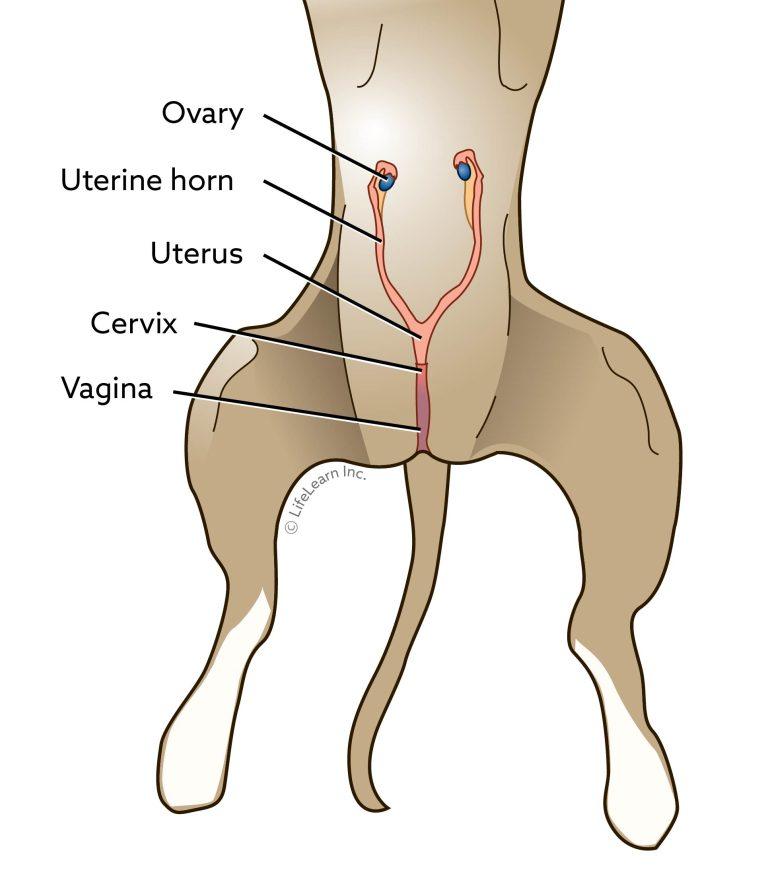
Spaying and neutering refer to the surgical procedures used to sterilize animals, preventing them from reproducing. Spaying is the removal of a female animal’s ovaries and uterus, while neutering (or castration) involves removing a male animal’s testicles. Both procedures are typically performed under anesthesia by a licensed veterinarian and are considered routine and safe.
Why Should You Spay or Neuter Your Pet?
There are several reasons pet owners choose to spay or neuter their animals:
1️⃣ Prevent Overpopulation: According to the American Society for the Prevention of Cruelty to Animals (ASPCA), approximately 6.3 million companion animals enter U.S. shelters every year, and about 920,000 of them are euthanized. Spaying and neutering can help reduce these numbers by preventing unwanted litters.
2️⃣ Health Benefits: Spaying reduces the risk of uterine infections and mammary tumors in female pets, while neutering helps prevent testicular cancer and some prostate problems in males. The American Veterinary Medical Association (AVMA) states that sterilized pets often live longer, healthier lives.
3️⃣ Behavioral Improvements: Neutering male pets can reduce aggressive tendencies, roaming behaviors, and territorial marking, while spaying females prevents the behaviors associated with heat cycles, such as yowling and restlessness.
4️⃣ Cost Savings: The cost of spaying or neutering is often much lower than the expenses associated with caring for a litter or treating diseases and injuries that are more common in unsterilized pets.

When Should You Spay or Neuter?

Veterinarians typically recommend spaying or neutering pets at around six months of age, though some shelters and organizations perform the procedure as early as eight weeks. Large-breed dogs may benefit from waiting until they are slightly older to ensure proper bone and joint development. It's best to consult with your veterinarian to determine the ideal timing for your pet.
The Pros and Cons of Spaying/Neutering
While there are many advantages to spaying and neutering, it’s important to acknowledge the cons.
🍗 Some studies suggest that sterilized pets may have a slightly higher risk of obesity due to metabolic changes, though this can be managed with proper diet and exercise.
🦴 Certain large-breed dogs might experience orthopedic issues if neutered too early.
💉 The procedure involves anesthesia and surgery, though complications are rare when performed by a qualified vet.

And that's it!
Spay/Neuter Awareness Month serves as a vital reminder of the importance of responsible pet ownership. By choosing to spay or neuter your pet, you contribute to reducing overpopulation, improving your pet’s health, and fostering a more humane community. If you're unsure about the procedure, speak with your veterinarian to address any concerns and make the best choice for your furry companion.