
Can A Dog Harness Cause Lumps?
& other dog harness questions
Choosing the right harness for your dog can feel overwhelming with so many options available, but it's essential for their comfort, safety, and your peace of mind. In this blog, we'll tackle the most popular questions, from any negative effects of using a harness to whether dog harnesses can work on cats.
Can a dog harness cause lumps?
A properly fitted dog harness is generally safe and effective for controlling your pet during walks. However, an ill-fitting harness can cause issues, including the development of lumps. If a harness is too tight or restricts movement, it can compress muscles such as the biceps, brachiocephalicus, and supraspinatus, leading to discomfort and potential injury. This compression may result in inflammation or bursitis, which could manifest as lumps.
Additionally, harnesses that chafe or irritate the skin can cause localized swelling or the formation of cysts. Ensuring the harness allows full range of motion and does not rub against the skin is crucial to prevent such issues. Regularly inspect your dog's skin for any signs of irritation or unusual lumps, and consult a veterinarian if you notice any abnormalities.
While a well-designed and properly fitted harness is unlikely to cause lumps, improper fit or design can lead to issues. Selecting a harness that accommodates your dog's natural movements and fits correctly is essential for their health and comfort.
Can dog harnesses cause hair loss?
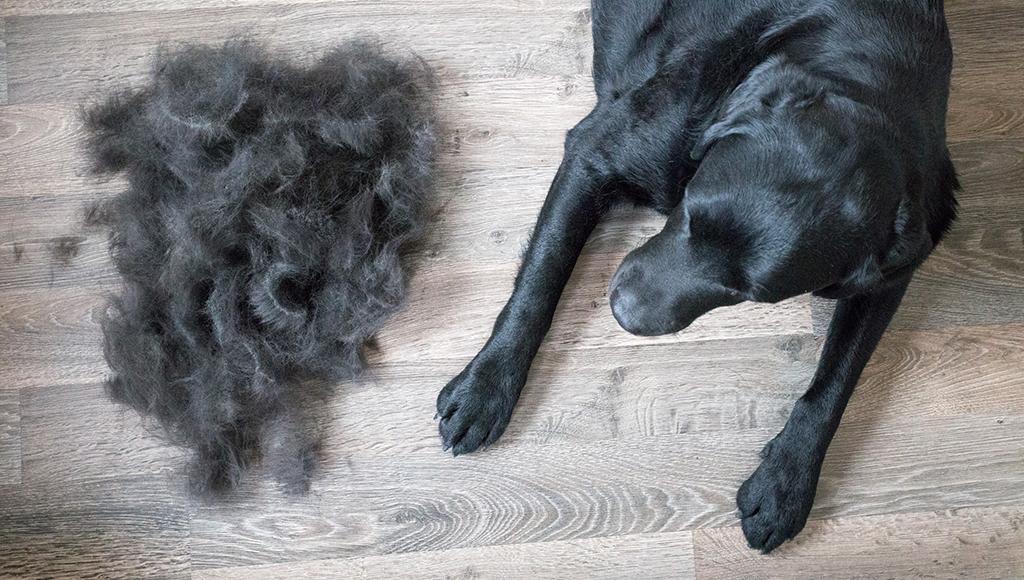
Yes, an improperly fitted dog harness can cause hair loss in areas where it contacts the skin. When a harness is too tight, it can create pressure points and restrict movement, leading to irritation and subsequent hair loss. Conversely, a loose harness may shift during activity, causing friction that damages hair follicles and results in bald patches.
Additionally, materials that chafe or irritate the skin can exacerbate hair loss, especially in dogs with sensitive skin or allergies. Continuous rubbing from the harness can lead to inflammation and hair loss in affected areas.
To prevent harness-induced hair loss, ensure the harness fits properly—snug but not tight—and is made from soft, non-irritating materials. Regularly inspect your dog's skin for signs of irritation, and remove the harness when not in use to allow the skin to breathe. If you notice persistent hair loss or skin issues, consult your veterinarian for appropriate advice and treatment.
Can dog harnesses cause limping?
Yes, an improperly fitted dog harness can cause limping. Harnesses that restrict shoulder movement or apply pressure to muscles like the biceps, brachiocephalicus, and supraspinatus can lead to discomfort and altered gait patterns. This restriction may result in limping due to muscle strain or joint stress.
Additionally, harnesses that fit tightly at the shoulder can cause shoulder pain, especially in dogs that pull on the leash. This discomfort can lead to gait problems and potentially cause limping.
To prevent these issues, ensure the harness fits properly, allowing free movement without causing chafing or pressure points. Regularly monitor your dog for signs of discomfort or changes in gait, and consult a veterinarian if limping occurs.
Where should a harness sit on a dog?
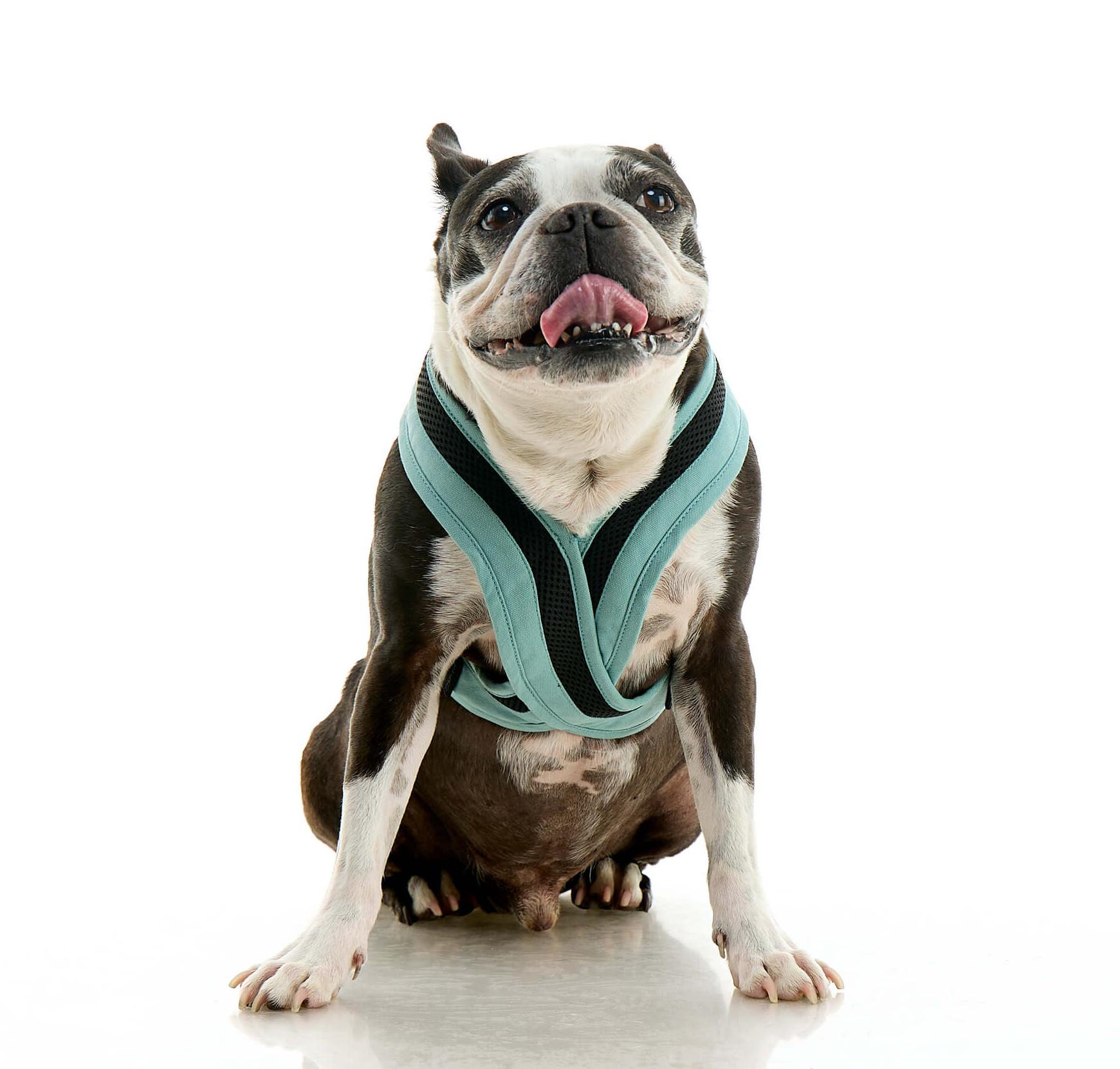
Ensuring a dog harness is correctly positioned is vital for your pet's comfort and safety. The harness should rest below the neck, avoiding any pressure on the throat to prevent choking or discomfort. The chest strap must not cross the shoulder joints, as this can impede movement and reduce stride length.
For a proper fit, adjust the harness so you can slip two fingers between the harness and your dog's body. This ensures it's snug enough to stay in place but not so tight as to cause irritation or restrict movement.
Regularly check the fit, especially for growing puppies or dogs that experience weight fluctuations, to maintain optimal comfort and effectiveness.
Will a dog harness work on a cat?
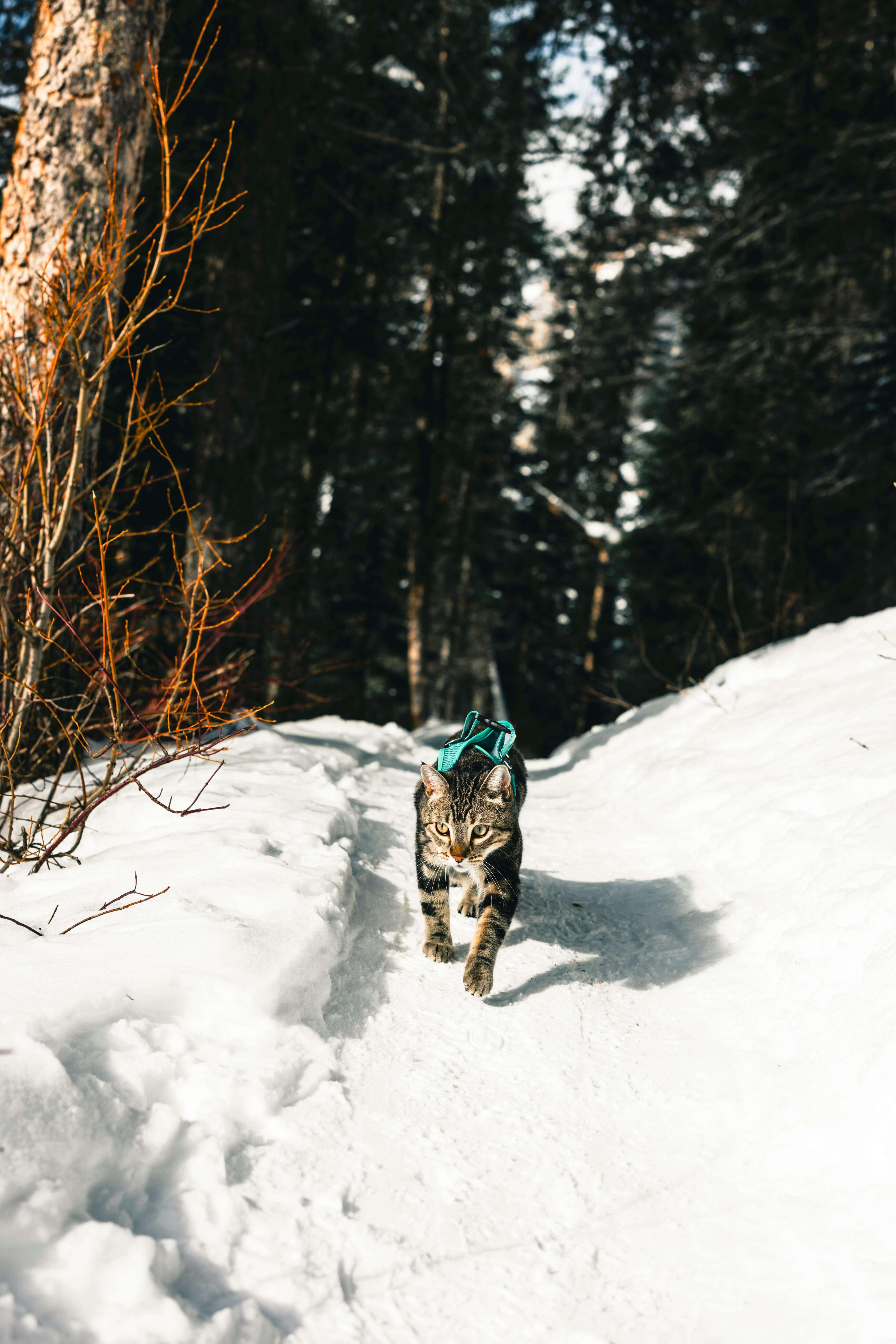
While it's possible to use a dog harness on a cat, it's generally not recommended due to significant differences in their body structures and behaviors. Dog harnesses are typically designed for broader chests and sturdier builds, whereas cats require harnesses that accommodate their more flexible and slender frames. Using a dog harness on a cat can result in improper fit, leading to discomfort or even escape.
Cats are also more agile and can easily slip out of ill-fitting harnesses, posing safety risks during outdoor excursions. Therefore, it's advisable to use a harness specifically designed for cats to ensure a secure and comfortable fit.
In summary, while a dog harness might seem like a convenient alternative, choosing a harness tailored for cats is the best way to ensure their safety and comfort during walks or outdoor activities.
And that's it!
Finding the perfect harness for your dog is about balancing functionality, comfort, and your dog’s unique needs. By addressing these frequently asked questions, we hope to make the process simpler and more enjoyable for both you and your furry friend.