
10 Common Things That Are Poisonous to Dogs
How To Keep Your Pup Safe
As dog owners, we all want to keep our furry friends safe and healthy. But many everyday items we have around the house — including certain foods, plants, and household products — can be surprisingly dangerous for dogs. Knowing what’s toxic to dogs and how to prevent accidental poisoning is crucial for keeping your pup safe. Here’s a list of 10 common things that are poisonous to dogs, why they’re harmful, and how you can protect your pet.

1. Chocolate
Chocolate is one of the most well-known toxic foods for dogs. It contains theobromine and caffeine, which can overstimulate a dog’s heart and nervous system. Dark chocolate and baking chocolate are especially dangerous due to their higher theobromine content. Even small amounts can cause vomiting, diarrhea, tremors, and potentially life-threatening heart issues.
How to Avoid It:
Keep chocolate out of reach, including wrapped candies and baked goods. Educate children and guests not to share chocolate with your dog.
2. Grapes and Raisins
Grapes and raisins can cause sudden kidney failure in dogs. Even a small amount can lead to vomiting, lethargy, and a decrease in urine production, which can quickly become life-threatening.
How to Avoid It:
Never leave grapes or raisins where your dog can reach them. Be mindful of baked goods and trail mixes that may contain raisins.

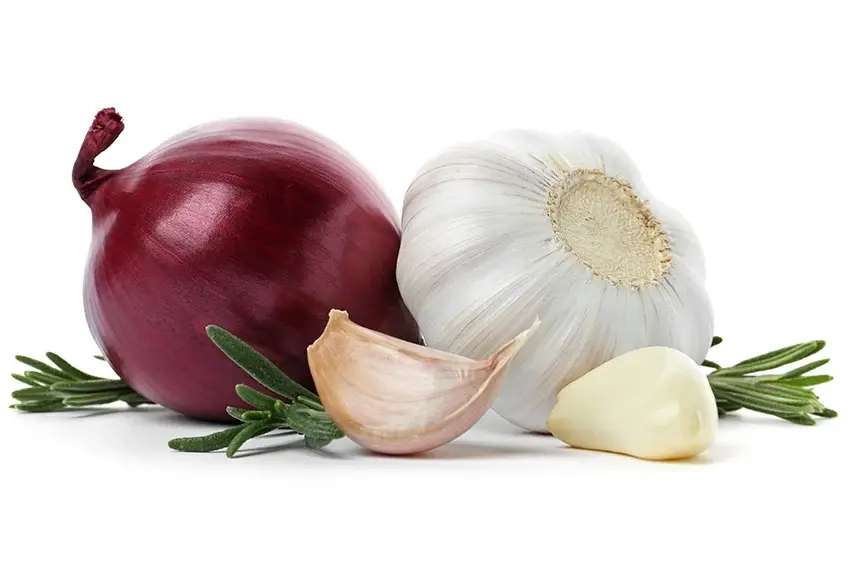
3. Onions and Garlic
Onions, garlic, and related vegetables (like leeks and chives) contain thiosulfate, which can damage your dog's red blood cells, leading to anemia. Symptoms include weakness, vomiting, and breathing difficulties.
How to Avoid It:
Avoid feeding your dog table scraps containing these ingredients. Check ingredient labels on processed foods.
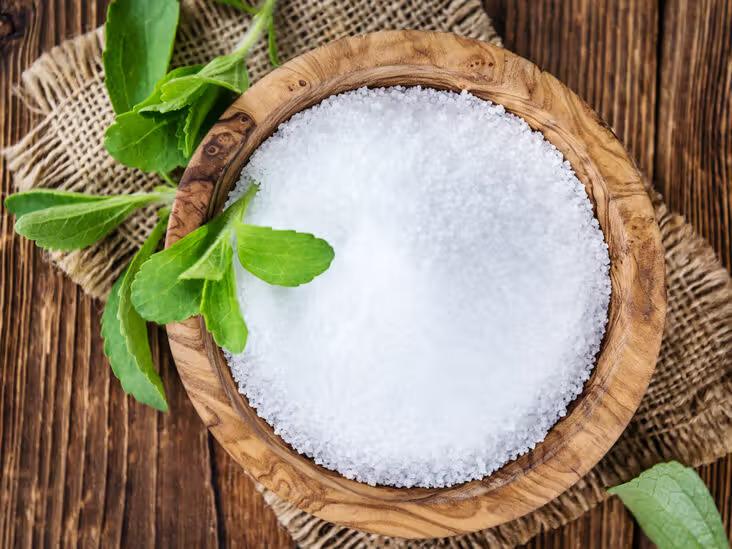
4. Xylitol
Xylitol is a sugar substitute found in sugar-free gum, candy, baked goods, and even some peanut butter brands. It can cause a rapid release of insulin in dogs, leading to dangerously low blood sugar levels, seizures, and liver failure.
How to Avoid It:
Carefully check ingredient lists on any human foods or products you give your dog. Keep sugar-free gum and candy out of reach.

5. Alcohol
Even small amounts of alcohol can be toxic to dogs, causing vomiting, disorientation, breathing problems, and in severe cases, coma or death.
How to Avoid It:
Never leave alcoholic drinks unattended, and clean up any spills immediately.
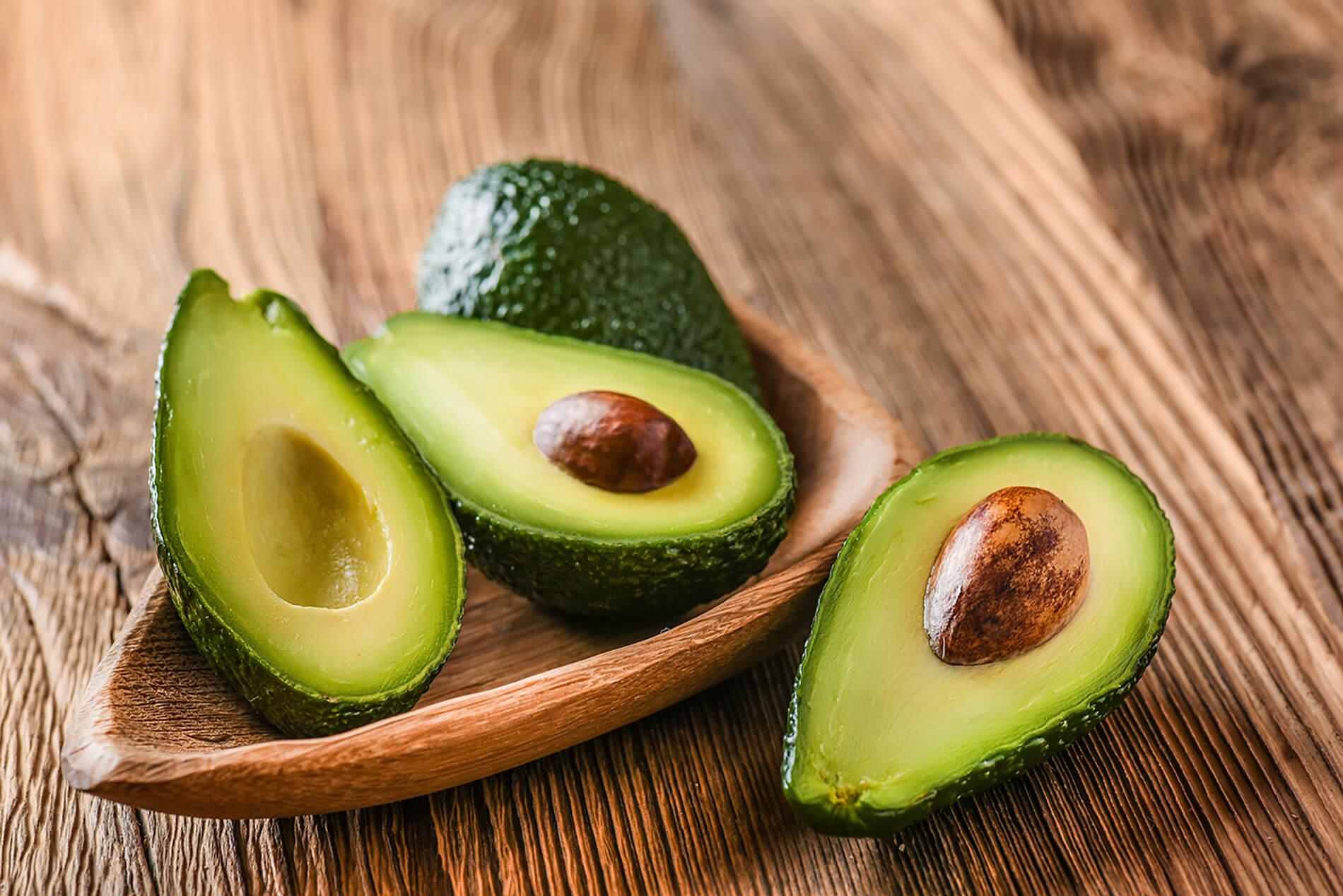
6. Avocado
Avocados contain persin, which is toxic to some animals, including dogs. While small amounts of avocado flesh are generally not harmful, the pit and skin contain higher levels of persin and pose a choking hazard.
How to Avoid It:
Avoid giving your dog avocado and make sure they can't access the peel or pit.
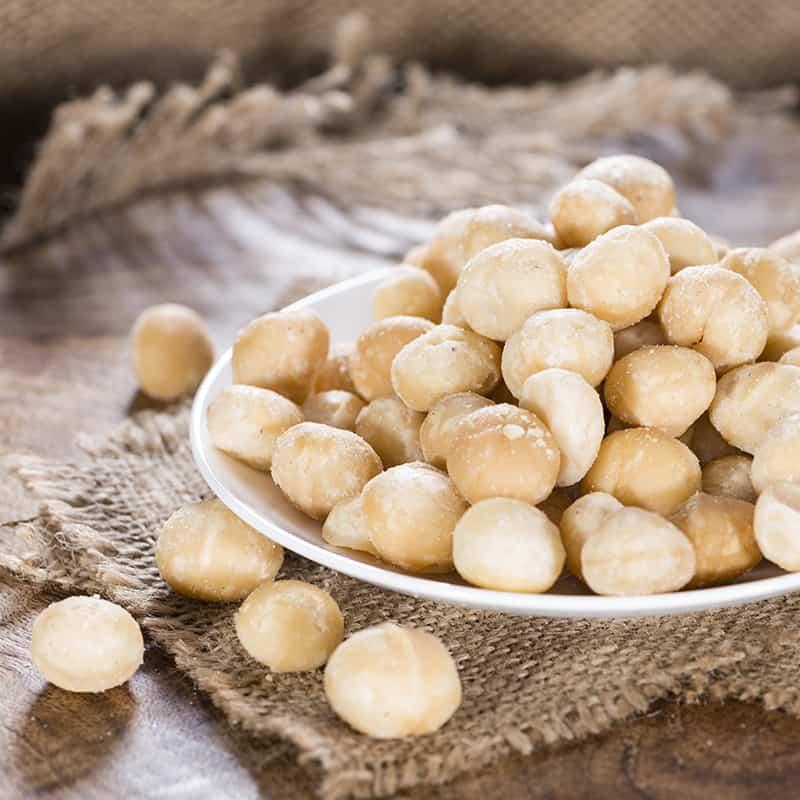
7. Macadamia Nuts
Macadamia nuts can cause weakness, vomiting, tremors, and hyperthermia (high body temperature) in dogs. Symptoms can appear within 12 hours of ingestion and last up to 48 hours.
How to Avoid It:
Keep nuts and mixed snacks out of reach, and don’t share them with your dog.
8. Caffeine
Caffeine is found in coffee, tea, soda, and some energy drinks. It affects the heart and nervous system, leading to restlessness, elevated heart rate, tremors, and seizures.
How to Avoid It:
Keep coffee and tea cups out of reach and avoid leaving caffeinated drinks where your dog might lick them.

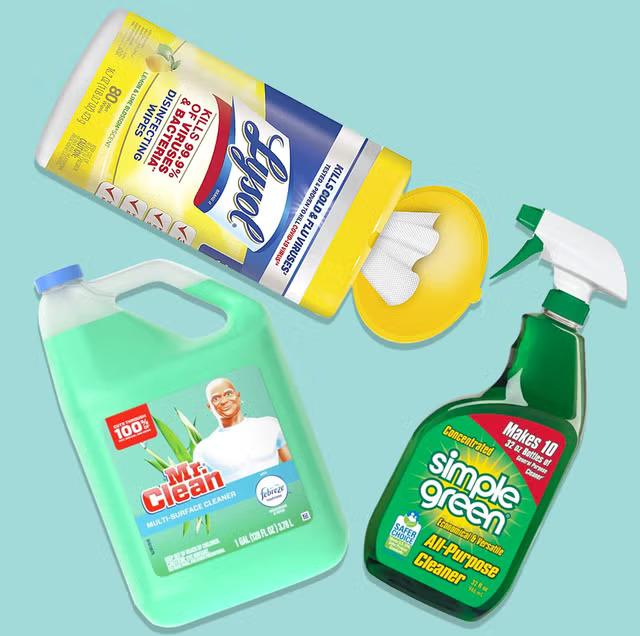
9. Household Cleaners
Many household cleaners, including bleach, ammonia, and disinfectants, contain harsh chemicals that can cause gastrointestinal upset, breathing difficulties, and chemical burns if ingested or inhaled.
How to Avoid It:
Store cleaning products in locked cabinets. Use pet-safe, non-toxic cleaners whenever possible.
10. Certain Plants
Plants like lilies, azaleas, oleander, and sago palm are highly toxic to dogs. Ingesting even small amounts can lead to vomiting, diarrhea, and in some cases, organ failure.
How to Avoid It:
Research the plants in your home and yard. Remove any that are toxic to pets and choose pet-safe alternatives.

✅ What to Do If Your Dog Is Poisoned
If you suspect your dog has eaten something toxic:
Call your vet immediately or contact the ASPCA Animal Poison Control Center at (888) 426-4435.
Do not try to induce vomiting unless instructed by a vet.
Keep a list of toxic substances and emergency contact numbers on hand.
🐾 Final Thoughts
Prevention is key when it comes to protecting your dog from poisoning. By understanding what’s dangerous and taking steps to prevent exposure, you can create a safer environment for your furry friend. Stay vigilant, keep harmful substances out of reach, and always consult your vet if you’re unsure about something your dog has eaten.